
Finding The Right Exposure For Wildlife Photography
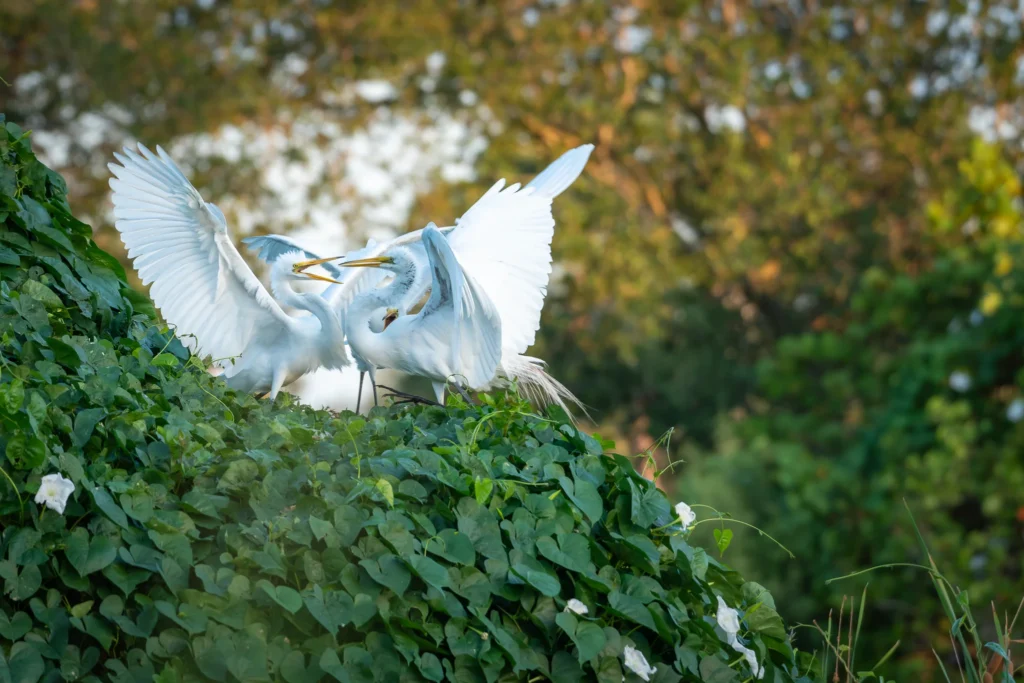
Every photographer faces the dilemma of underexposing or overexposing a shot, especially in wildlife photography. Understanding exposure is vital, as it can mean the difference between a stunning image and a disappointing one. The right exposure protects highlights in bright conditions and enhances dark subjects. Learn to trust your camera’s meter and read the light effectively. Mastering these skills will elevate your wildlife photography and help you create breathtaking images.
Why Do I Shoot Wildlife Photography With A Nikon D500?
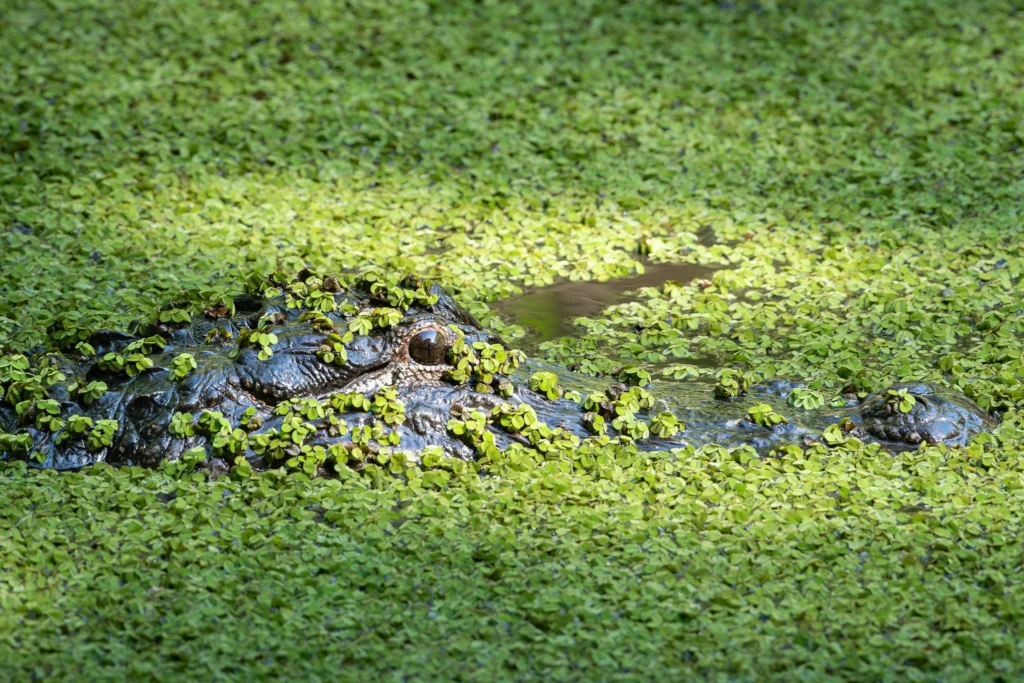
The Nikon D500 remains a powerhouse for wildlife photography, even years after its release. With pro-level autofocus, impressive speed, and a rugged design, it’s built to withstand the elements while delivering stunning results. The crop factor offers a significant advantage, turning modest lenses into super-telephoto options, perfect for capturing elusive wildlife. Plus, its 10 frames per second shooting speed ensures you won’t miss those fleeting moments. While modern mirrorless cameras have made strides, the D500’s enduring reputation and performance make it a top choice for wildlife enthusiasts. Discover why this camera continues to be my go-to for capturing nature’s beauty!
